

You are about to take a Codility test and wonder if using ChatGPT will get you caught. You are weighing AI help against the risk of a flag.
Yes for code, no for a generic ChatGPT prose detector. Codility flags AI-generated code and hidden AI tools, then probes prose via follow-up questions.
That does not make every method safe. Screen sharing or human review can still expose shared-screen help, so keep any answer surface off the monitored computer.
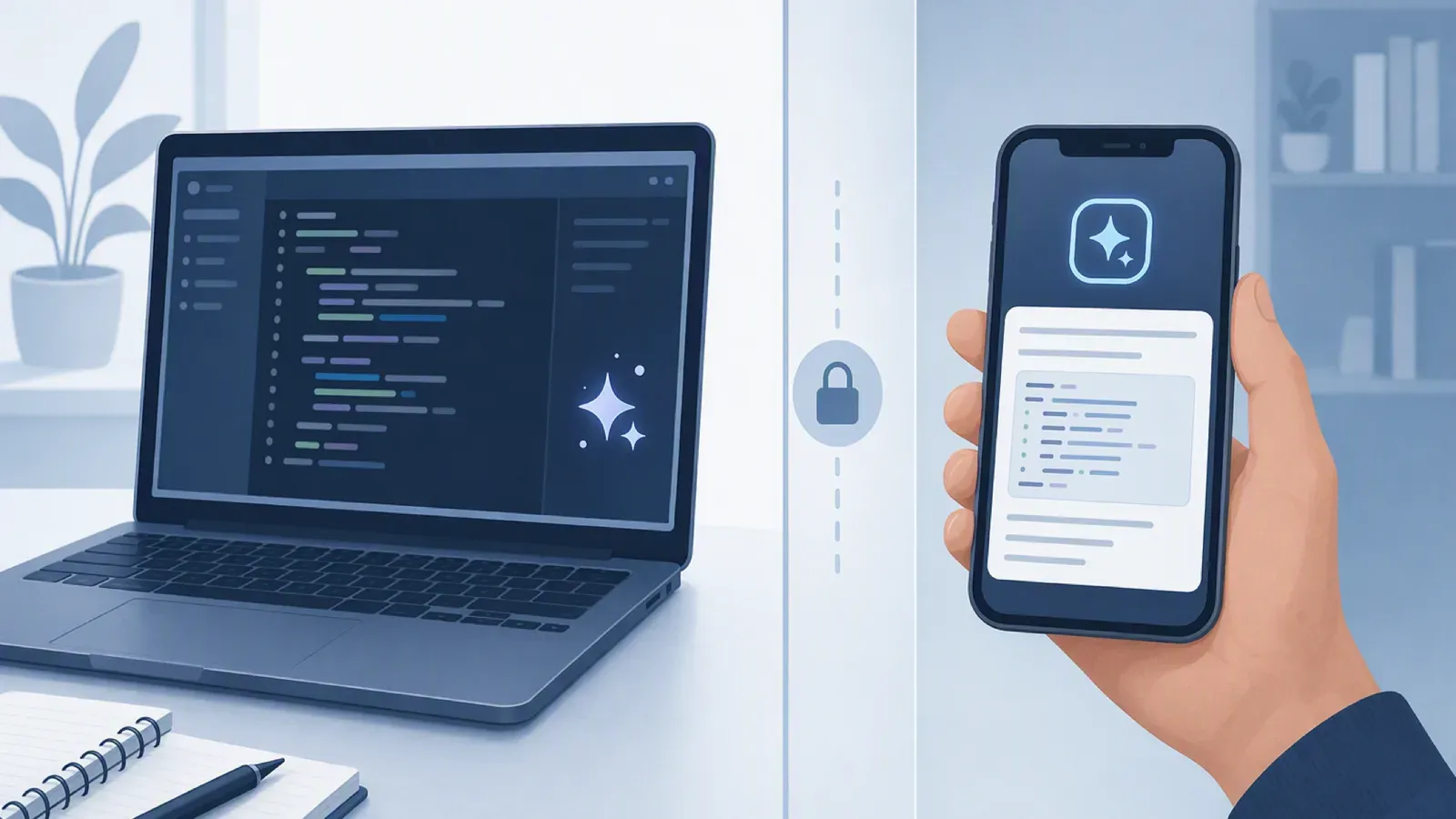
Dual Device Mode keeps answers on your phone, not the interview computer. A dual device real time AI interview helper renders help where Codility's software cannot see it.
What Codility actually detects about AI-generated code
Codility compares your submission to a bank of known AI-generated solutions. It flags unusual overlap for human review. The match is statistical, not a live scan.
It also runs a typing-pattern check after you submit. This analyzes your keystroke sequence for signs of retyped AI code. The check is passive and post-submission.
Both signals reach a reviewer, not an automatic block. Pasting ChatGPT code is the highest-risk move because two methods can catch it. MCQs and very short snippets are excluded.
Codility's own documentation explains the code-similarity method in detail.
Read Detecting AI Cheating for the bank-of-known-solutions approach.
Does Codility detect AI-written text and prose?
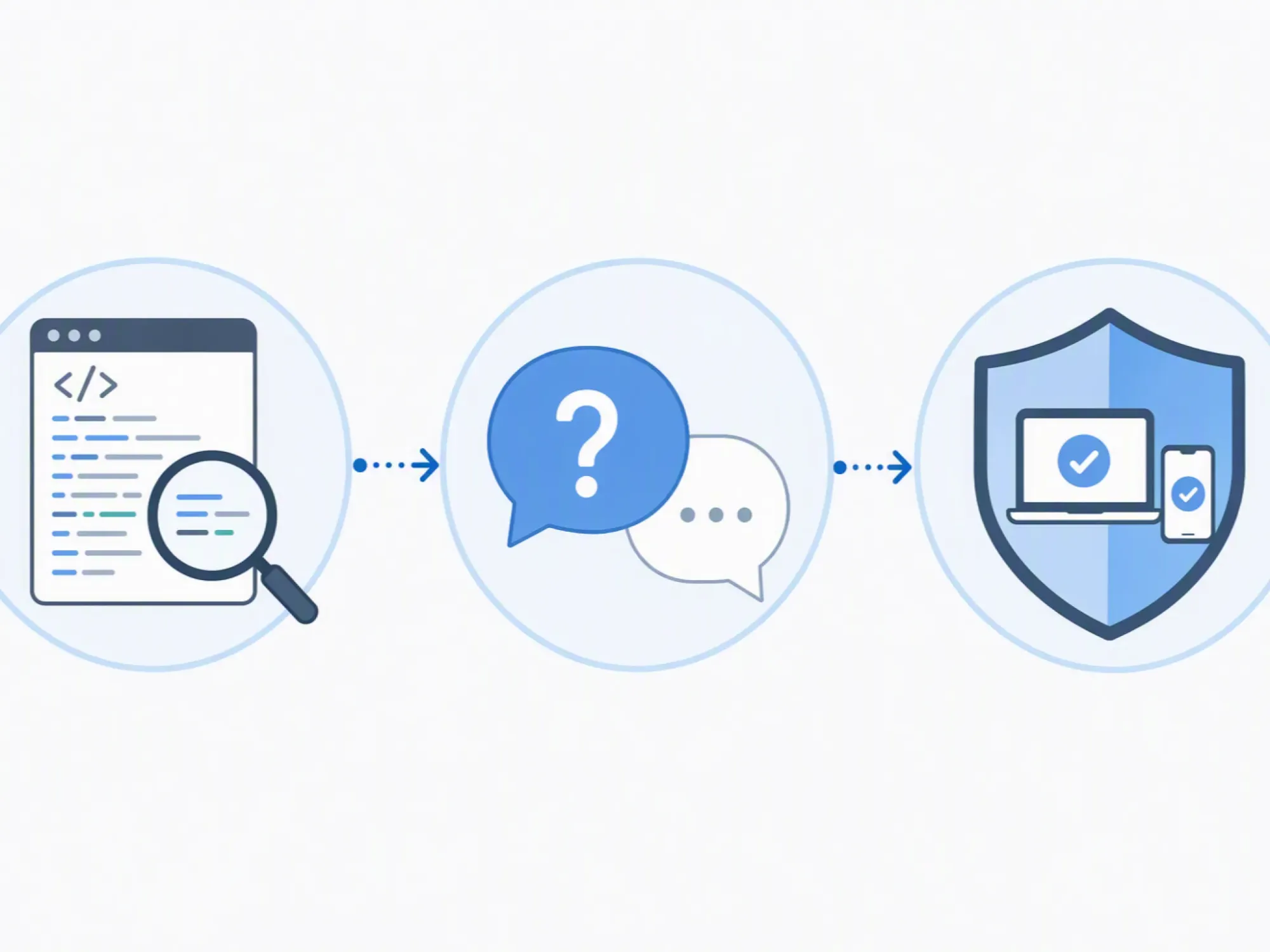
Many candidates worry most about ChatGPT essays and explanations. Codility has NO documented AI-text/prose detector. It does not scan prose for AI fingerprints.
Instead it uses AI Follow-Up Questions to test understanding. If you cannot explain your own code, the gap shows in your answers. This is a design control, not a text scanner.
Codility publishes no such tool. As of 2026, there is no documented AI-text detector to worry about. Do not treat that as a guarantee of safety.
Can Codility detect the AI app on your computer?
A hidden assistant can feed you answers in real time. Codility's Device Integrity (Preview) can spot such cheating tools on your device. It targets apps built to dodge screen sharing.
The feature needs the employer to enable it. It also runs only on the Codility desktop app for macOS and Windows. Linux is not supported, and the tool is still in Preview.
Device Integrity reports the tool's presence, not your answers. A dual-device setup avoids this path entirely by keeping help on a separate phone.

Answers On Your Phone, Not Your Shared Screen
Skip the risky invisible-overlay tricks. Our dual-device mode keeps answers on your phone, never on the screen you're sharing or recording. Nothing for a platform or interviewer to catch, because there's nothing on the shared screen to find.
Get started. It's freeLoved by 100,000+ candidates
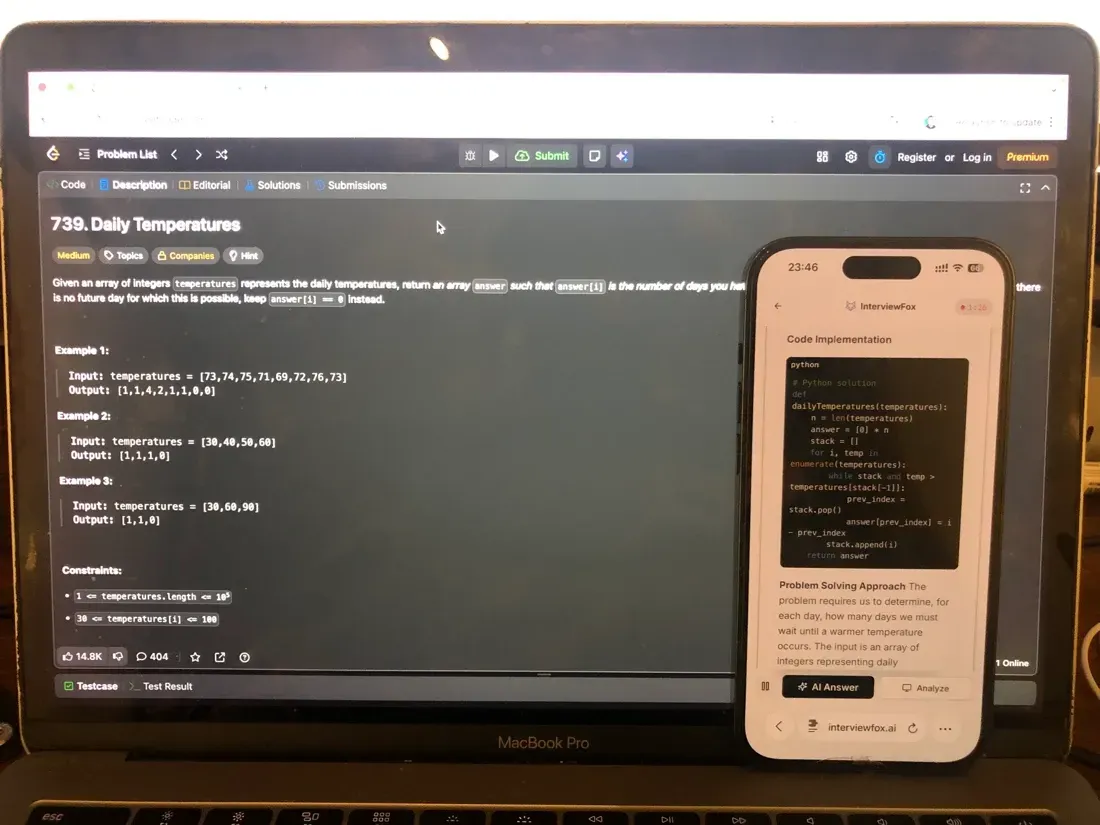
The safest architecture keeps answers off the monitored computer. A dual device AI interview helper shows help on your phone, where Codility's software cannot see it. External cameras and human observers are a separate risk this setup does not address.
How AI Follow-Up Questions check your code
After a take-home submission, Codility's AI asks three short questions about your code. Each has a two-minute limit. The questions are unique to your solution.
You cannot paste answers during this step. Copy-paste is blocked and keystrokes are monitored while you respond. The full transcript lands in the report for reviewers.
This probes whether you wrote the original work. It is Codility's main prose check, not a hidden AI-text detector. The questions target your specific submission.
Codility lists Follow-Up Questions among its 2026 assessment integrity features.
See Assessment Integrity Features for the three-control model.
What happens after an AI or integrity flag
A flag is a signal, not a verdict. It appears in the Integrity widget and the session Timeline. Recruiters review the context before deciding anything.
Codility states that not every signal means wrongdoing. The employer chooses what to do next. There is no automatic disqualification from a typing-pattern or tool flag.
The Integrity Risk score bands results as none, low, moderate, or high. It uses only enabled signals and no AI in the calculation. Beta status applies.
Answers On Your Phone, Not Your Shared Screen
Skip the risky invisible-overlay tricks. Our dual-device mode keeps answers on your phone, never on the screen you're sharing or recording. Nothing for a platform or interviewer to catch, because there's nothing on the shared screen to find.
Get started. It's freeLoved by 100,000+ candidates
Preparing well is the calmest way to avoid a surprise flag. The Prep Agent builds a plan from your resume and the job so you arrive ready.
What else does Codility monitor?
Codility watches more than AI use. The same platform records copy-paste, tab switches, screen content, webcam images, and identity checks during a test.
- Copy-paste of code or the task description is logged as a common AI-tool signal. Learn how Codility detects copy and paste before a test.
- Screen content can be captured during proctoring. See what Codility records on screen for the limits.
- Tab switching is tracked as a behavioral event. Read how Codility detects tab switching for details.
- Webcam images are taken at intervals and on flagged events. Check Codility's camera use to understand capture.
- The full cheating model spans code, behavior, and devices. Start with how Codility detects cheating for the overview.
FAQ
Can you use ChatGPT on Codility at all, and does it differ for take-home versus live?
Take-home tests use AI Follow-Up Questions and may enable Device Integrity. Live interviews can offer an employer-enabled AI Copilot. A hidden assistant still risks Device Integrity.
Does Codility record my screen to catch AI use?
Screen recording is a proctoring signal, separate from AI-code detection. Device Integrity targets hidden tools, not the screen feed itself. The two methods solve different problems.
Is Device Integrity available now?
Device Integrity is in Preview as of 2026. The feature depends on employer enablement. macOS and Windows are supported through the Codility desktop app. Linux is not.